

What Radical Acceptance Is Teaching Me About Reinvention, Resilience, and Life in Transition
At the beginning of this year, I moved to Barbados while keeping a secondary home base in Las Vegas, Nevada.
When people hear that, the response is often some version of, “That sounds so glamorous.” In many ways, it is. Barbados is beautiful, and having a place to stay when we are stateside gives my family stability that I deeply appreciate.
Still, life can be beautiful and complicated at the same time. Geography does not grant immunity from disruption, and the past six weeks have made that abundantly clear.
First, we had to replace every computer we rely on. Then, while easing my car backward into a parking space, I noticed that the image from the rear camera was swinging wildly. The camera looked as though it were hanging by a thread.
I stepped out and walked to the back of the car. The rear license plate (the piece holding the camera in place) had fallen off somewhere along the way, probably after an encounter with one of Barbados’s potholes.
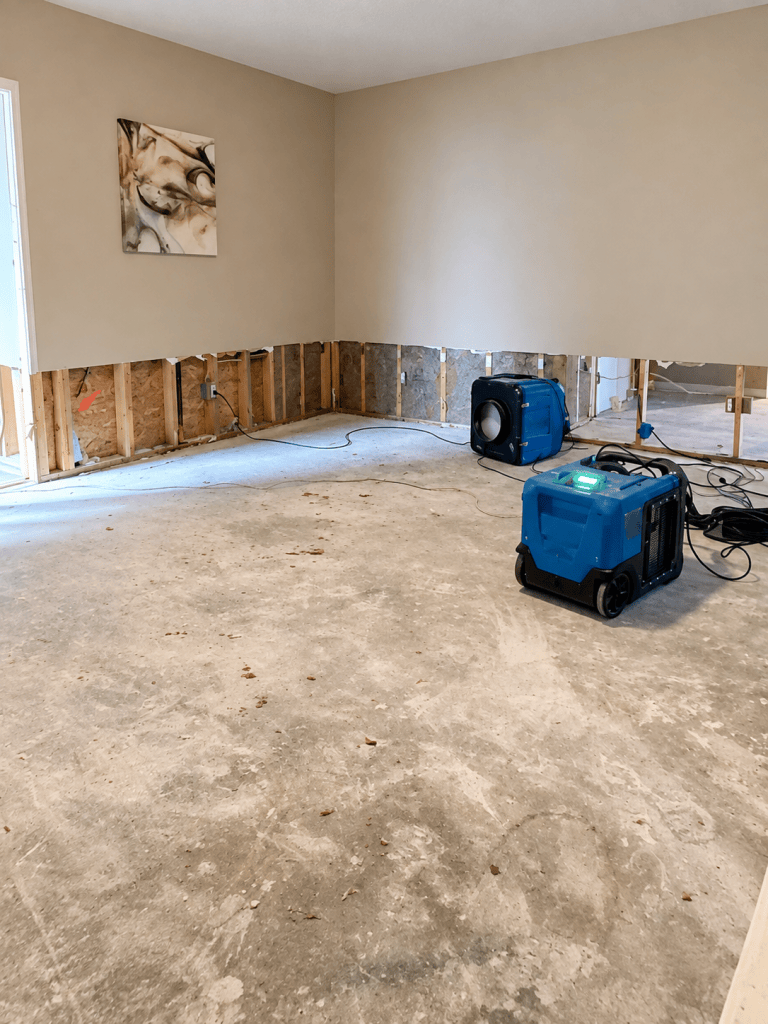
As if that were not enough, a different pothole damaged the wheel and took out the rim. When the air conditioning stopped working in Las Vegas, it was 115F outside and 97F inside the home. Now, we are dealing with the aftermath of a flood.
My emotions about the flood have gone back and forth. I have felt real sadness about what was damaged and genuine relief that I was not onsite when it happened. I am not especially attached to things, but some of the affected items were handmade or given to me as gifts. Their meaning cannot simply be replaced.
Each time I thought we had reached the end of the problems, life seemed to look at me and say, “You’re still standing? Okay, bet!”
Calling the experience overwhelming feels like a huge understatement.
What Radical Acceptance and Reinvention Teach Us About Life in Transition
During this stretch, I was texting with a friend when she mentioned that she was practicing radical acceptance in her own life.
Her words landed at precisely the right time. I had heard the term before, but exhaustion had apparently made me ready to understand it.
Radical acceptance means acknowledging reality as it is, even when I dislike it, did not choose it, and would change it immediately if given the chance. Acceptance does not require approval. It requires me to stop fighting the fact that the situation already exists.
My mind is remarkably creative when reality refuses to cooperate with my plans. I can replay the timing, calculate the unexpected costs, imagine what might go wrong next, and question whether I should be managing everything better. The original problem remains, but now I have piled fear and self-criticism on top of it.
“This is happening” directs my attention toward what needs to be done next.
“This should not be happening” sends me into an argument with circumstances that have already arrived.
Radical acceptance does not solve the problem. It helps me stop wasting the energy I need to respond to it.
Reinventing Yourself While Life Throws Curveballs
These problems arrived during an already intense season of reinvention.
I recently closed my private practice and am building something new through LeadHER Dynamics. My relationship with work is changing along with my ideas about ambition, success, and how I want to use my experience. My place within my family continues to evolve. At the same time, I am learning how to create a full life in a new country while remaining connected to the people and responsibilities I still have in the United States.
Relocation involves much more than packing boxes and learning new roads. It changes the ordinary ways we understand ourselves.
Daily life is easier in a familiar place. You know whom to call, where to go, what things should cost, and which problems can be solved by reaching out to someone you trust. In a new country, you have to rebuild that knowledge from scratch. Tasks that should be simple suddenly involve more questions, more patience, and sometimes a willingness to admit that you have no idea what you are doing.
That last part is humbling when you are used to being the person who figures things out.
I have led organizations, built businesses, cared for others, made difficult decisions, and carried substantial responsibility. Being resourceful became part of how I measured my value without fully realizing it.
This season is making me question that.
The issue is no longer whether I can solve the latest problem. I usually can. The real question is why I ever believed that being capable should make me immune to exhaustion, frustration, or overwhelm.
Reinvention, for me, now means keeping my competence without using it as armor.
Rethinking What Strength Looks Like
My old approach to strength was fairly straightforward: make the call, find the solution, rearrange the schedule, and keep everything moving. Feelings could be dealt with later, assuming “later” ever arrived.
That approach works during an emergency. It is exhausting as a permanent way of living.
These days, I am trying to admit that something is hard before rushing to fix it. Sometimes action is exactly what is needed. Other moments call for help, rest, or the honesty to say, “I do not know yet.”
Plenty of good remains present in my life. No one was hurt in the flooding. My family is healthy. I am building community in Barbados and developing relationships that are making this new country feel increasingly like home.
Gratitude deserves a place in this story, but it cannot become a tool for silencing everything else.
Loving the life I am creating does not require me to enjoy every part of creating it. Good fortune and genuine difficulty can occupy the same life.
What the Practice Actually Looks Like
My practice of radical acceptance is neither elegant nor consistent.
Sometimes I reach acceptance only after complaining, spiraling, or mentally rewriting the previous six weeks. Eventually, I return to three questions:
What happened?
What requires my attention today?
What story am I adding to the situation?
Those questions help me recognize when disappointment is turning into a sweeping conclusion about my choices or the future I am building.
A series of difficult events does not mean that moving was a mistake. Feeling overwhelmed does not make me incapable. Needing support does not erase my independence.
Once I stop treating each problem as a verdict on my life, I can deal with what is actually in front of me.
How Radical Acceptance Builds Resilience in Overwhelming Times
Stories about reinvention often make the process sound beautifully organized. One chapter closes, we reflect on what it taught us, and then we step confidently into the next.
My experience has been much messier.
Sometimes a new identity takes shape while we manage unexpected expenses, family responsibilities, professional uncertainty, and the realities of starting over somewhere new. Transformation rarely waits for a convenient opening in the calendar.
The lesson I am taking from this season is simple: the goal is not to become so resilient that nothing affects me. The goal is to remain connected to myself when life does.
Radical acceptance helps me tell the truth about what is happening, respond like a human being, and decide what needs to happen next.
I do not have to like the reality in front of me or turn it into an inspirational lesson while I am still living through it. I only have to stop exhausting myself by wishing the present were already different.
The life I chose is beautiful.
It is also allowed to overwhelm me sometimes.
Both are true.

Comments are closed