

Every year after the Met Gala, I make my pilgrimage to The Met Museum NYC’s fashion exhibition. It’s become my own personal tradition, and this year felt different in ways I’m still processing.
Here’s the thing about me and fashion: I’m not dropping thousands on Prada bags or flashing Louboutin red soles. But fashion triggers something deep in me because it’s so intensely personal. High fashion has always been aspirational, even when we’re shopping off the rack. I see it as an art form, and every garment carries a story that someone poured their creativity into.
When my friend Clara Wang suggested we swap our usual business meetups for a museum adventure, I knew exactly where we needed to go. There’s something about walking through those fashion galleries that reminds me of a fundamental truth: every time we get dressed, we’re expressing ourselves. No two women dress alike in this world. We tell our stories through fabric and fit, through the choices we make about how we want to show up.
And that connection between high fashion and what lands in our closets? Miranda Priestly nailed it in The Devil Wears Prada when she reminded Andy Sachs that her “lumpy blue sweater” was actually the result of countless design decisions that trickled down from the runway. That speech hit different because it was true then, and it’s still true now.

Why The Met Museum NYC Got Fashion Right This Time
Let’s get it straight, The Met Museum NYC always delivers. But this year hit different in a way that left me speechless.
This wasn’t just about pairing gorgeous garments with stunning art. The Met explored the connection between fashion and our actual bodies—the real, complex, beautiful vessels we live in every day.
We got that initial rush seeing ethereal Grecian goddess statues paired with flowing gowns that looked spun from moonlight. Classic fashion exhibition magic. But then we turned a corner and found fashion that wasn’t trying to make us look pretty—it was trying to make us feel.
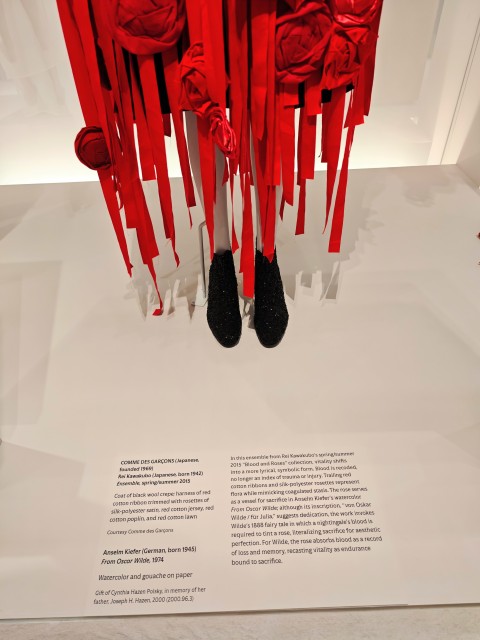
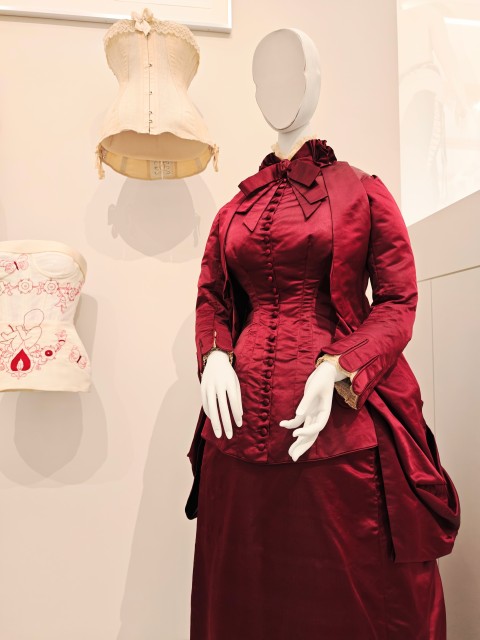
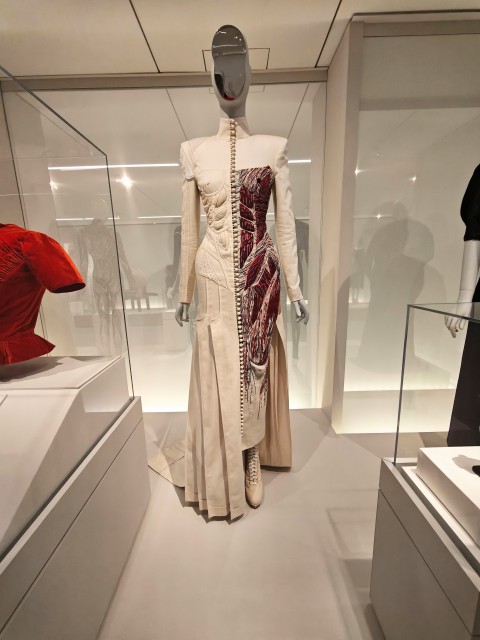
Entire sections were dedicated to how fashion represents our female reproductive journey, our changing bodies, our physique as it moves through life. The circulatory system-inspired pieces took our breath away. Dresses with actual organs attached—raw celebrations of what’s happening inside us right now.
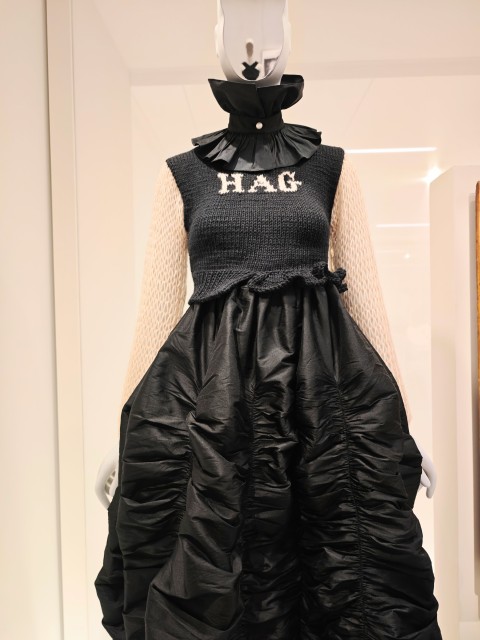
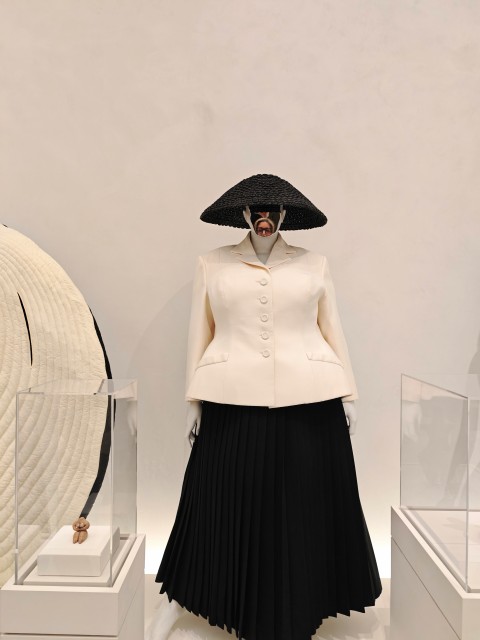
Then came pieces that deliberately distorted the body. Unusual humps in hip areas. Dramatic curves in the back. Not pretty. Not Instagram-friendly. But absolutely thought-provoking as we confronted the many body shapes that women come in. It made us question everything about how we perceive beauty in our own bodies.
For me it was about stopping treating our bodies like problems to be solved and celebrating them as the complex, ever-changing works of art they are.
The Fast Fashion Problem: When Art Becomes Disposable
Remember Miranda Priestly’s speech about how high fashion trickles down? That was 2006. Today, we’re living in a different reality.
We no longer have seasons, we have fast fashion. Removing art from fashion. True art cannot be produced in the quantity and speed that fast fashion demands. What we’re left with is the fashion equivalent of content creation versus real photography, disposable, forgettable, hollow.
If your closet is full of fast fashion, it’s full of items that were never meant to be art. They were designed to be consumed and discarded, not to tell your story or honor the creative process.
Peek Inside the Exhibit and What Made Me Pause and Think


The Power Move Every Woman Can Take from This Exhibition
I walked out of there realizing the importance of my body—not just as a hanger for clothes, but as something connected to greater power. The amazingness of it. The way it moves through its journey, especially as I’m aging and my body changes form.
It made me think about the importance of the garments I put on this beautiful form. This temple—yes, it’s a temple. I walked out knowing I will be more thoughtful about how I dress it, even when buying off the rack.
We are an art form. The clothing we wear should honor that truth. When I choose a well-made piece that drapes beautifully, I’m not just buying clothing. I’m investing in art I get to live in. That confidence you feel wearing something that fits perfectly and feels authentically you? You’ve chosen something closer to the art form.
The difference lies in intention, craftsmanship, and respect for the creative process. When we honor fashion as art, we honor ourselves as canvases worthy of that artistry.
Every morning when we get dressed, we’re making choices about how we want to move through the world. We’re telling our stories, honoring our bodies, participating in an art form as old as civilization itself.
The question isn’t whether fashion is art—it is. The question is: What kind of artist do you want to be?

Comments are closed