

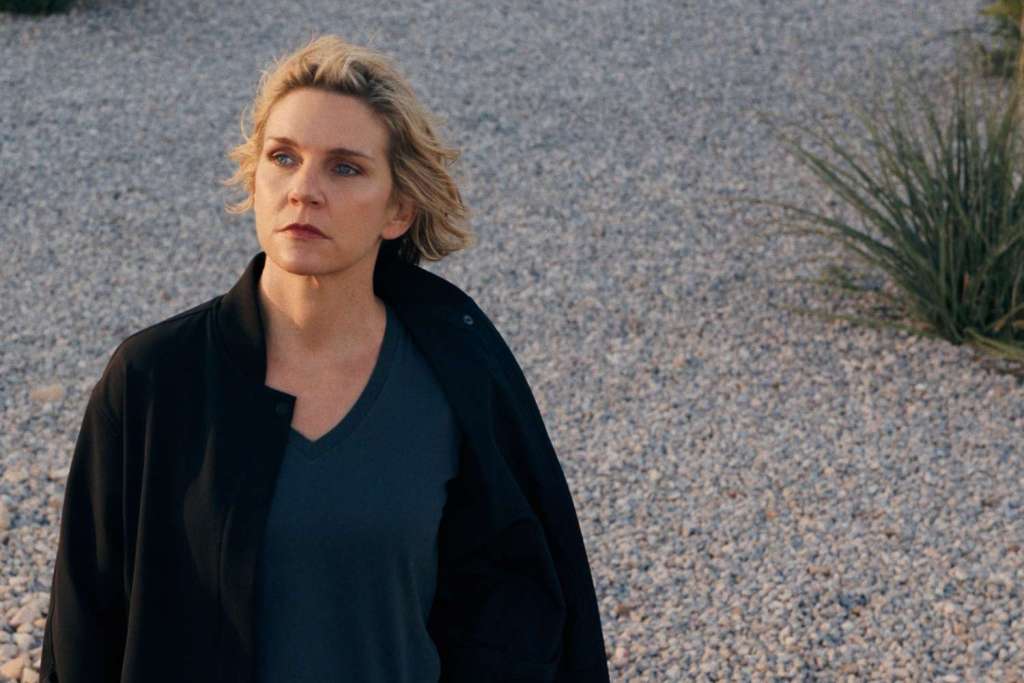
The latest wave of inspiring women on television is doing something revolutionary: showing up as themselves. Bedhead hair, minimal makeup, off-the-rack clothes, and unapologetic authenticity are replacing the polished perfection we have been conditioned to expect from female characters. And honestly? It is about time.
For decades, women on screen have been styled within an inch of their lives, even when their characters were supposedly running from danger, solving crimes, or saving the world. Now, a refreshing shift is happening. Real women are tuning in to see heroines who look like they could be sitting across from us at brunch, and we are here for every messy bun and paper-clip wardrobe fix.
Inspiring Women Behind the Scenes Are Changing the Game
This shift did not happen by accident. Women are increasingly taking the reins in Hollywood, and it shows. According to the 2024 Hollywood Diversity Report, the majority of streaming TV viewers in 2023 were female. Even more significant, women now account for an unprecedented 36 percent of program creators on streaming platforms during the 2024-25 season.
When women tell stories, they tend to reflect what real life actually looks like. Showrunners like Debora Cahn, the force behind The Diplomat, are leading this charge with intention. As television writer and producer Lisa Melamed put it, “As women age, our priorities shift and our looks change—and it’s high time the industry is acknowledging that.”
This creative leadership means characters are being developed with depth and complexity rather than being reduced to eye candy. The result is female leads who feel earned, who have clearly been through some challenges to get where they are, and who do not need a designer wardrobe to prove their worth.
Authentic Style That Reflects Real Life
Let’s talk about what these women are actually wearing, because it matters.
One of the things we found so refreshing about Keri Russell’s Kate Wyler on The Diplomat is that she looks like a woman with an actual job to do, not a woman with a glam squad hiding just off camera. Her black suits look like they could have come straight off a department store rack. Her hair is loose, a little messy, and gloriously unconcerned with being perfect. She does pit sniffs before meetings. She fixes wardrobe malfunctions with paper clips instead of calling for a costume change. And honestly, that feels like real life.
If you’ve ever paper-clipped your zipper right before walking into a meeting, thrown on that old sweater from the floor of your car to cover the stain you somehow missed while getting dressed, or Scotch-taped your hem because there was no time to make it to the cleaners, you get it. This is not “falling apart.” This is female problem-solving at its finest. This is making it work and getting on with your day. And when someone criticizes Kate’s hair and she fires back, “It’s a style,” it feels less like a throwaway line and more like a manifesto.
Claire Danes brings that same lived-in honesty to Agatha Wiggs in The Beast in Me. She wears soft button-downs, boxy blazers, and that perpetually undone bun that feels deeply familiar to any woman who has ever worked from home, hopped on a call with zero warning, or looked at herself on Zoom and thought, Well, this messy bun is simply who you’re getting today. We have all had those calls where both people are showing up a little rumpled and absolutely not apologizing for it. That is exactly why the look works. It is subtle, casual, distinctive, and completely her own.
Then there’s Rhea Seehorn as Carol Sturka in Pluribus, the latest from Breaking Bad creator Vince Gilligan. Carol is a romance novelist trying to save the world while wearing sweats, jeans, and tees, and the choice lands because it feels believable. Executive producer Alison Tatlock explained it perfectly: “Perfect hair and makeup feel false in the midst of mayhem, and can take the audience out of the moment.” Exactly.
Because once you notice that kind of thing, you really can’t unsee it. If you’ve watched The Handmaid’s Tale, you may have had that moment too, seeing June Osborne in the middle of war and chaos with hair that somehow still looked a little too polished, like a curling iron had been plugged in moments before the revolution. No joke, the second I clocked it, we were pulled right out of the scene. That is why Carol’s rumpled realism feels so satisfying. She looks like a woman living through a day, not posing for one.
These characters are not clueless about fashion, and that is what makes it even better. They could glam it up if they wanted to. They could do the blowout, the shapewear, the whole carefully maintained performance of femininity. Instead, they skip the Spanx and the contrivance in favor of comfort, ease, and actually inhabiting their lives. Better yet, they look like women who like how they look.
Seeing real clothes on real bodies feels like more than just a style choice. It feels like validation. A quiet but powerful nod to every woman who has ever felt pressure to look more polished, more youthful, more “put together,” even when real life is happening at full speed.
Fashion stylist Abby Wood summed it up perfectly: “Characters who prioritize comfortable, practical clothes are relatable because it’s honest—most of us don’t live in red carpet dresses. The message is: You can be stylish, confident, and powerful without spending a fortune or trying to look younger.”
And maybe no one drives that point home better than Patricia Arquette in her dual role on Severance. As the cold, severe Ms. Cobel, she wears sleek, somber turtlenecks. As the eccentric Mrs. Selvig, she leans all the way into mismatched hippie garb. But in both versions, her hair is unapologetically gray. No scrambling to keep up young appearances. No softening the reality of age. No apology. Just a woman being fully herself on screen, and honestly, that is its own kind of mic drop.
For midlife women especially, this kind of representation feels less like a trend and more like a relief. These characters reflect how successful women actually move through the world: prioritizing substance over surface, comfort over contortion, and authenticity over artifice.
The Contrast That Proves the Point
Of course, not every show has gotten the memo. Some strong female characters are still styled like cartoons, and it is worth examining why.
Take Rebecca Welton on Ted Lasso. Hannah Waddington plays a powerful soccer team owner, yet the character sports a poufy platinum coif, acres of cleavage, and skintight everything. The creative trio behind Ted Lasso? All men.
As author Liane Bonin Starr bluntly observed, “When men are in the driver’s seat, it’s more important that female leads be f*ckable than relatable.”
Interestingly, the hyper-glamorous Rebecca struggles to find dates on the show, while the authentically styled Kate Wyler on The Diplomat has politicians on both sides of the Atlantic competing for her attention. Authenticity, it turns out, is actually attractive.
Setting the Bar for Future Generations
This anti-glam trend is not just about television. It is setting expectations for what powerful women can look like across all media.
Consider the upcoming Supergirl movie starring Milly Alcott. DC Studios head James Gunn has teased that this version of the superhero will be far from perfect. When not in costume, Alcott’s Kara Zor-El sports a washed-out t-shirt and rumpled trench coat. The Hollywood Reporter described her as “messily human.”
This kind of representation could have real-world impact. As Melamed noted, “Put something in people’s living rooms, let it become familiar, and maybe it’ll have some impact in the real world. Allison Janney in The Diplomat as President of the United States? See, not so scary!”
When young women see inspiring women on screen who look real and relatable while wielding power and influence, it expands their sense of what is possible for themselves.
What We Can Learn From TV’s Anti-Glam Heroines
The rise of authentic, anti-glam heroines on television offers several valuable takeaways:
- Representation matters. When women lead behind the scenes, female characters on screen become more complex, relatable, and real.
- Style is personal. These characters prove you can be powerful, confident, and stylish without conforming to impossible beauty standards or spending a fortune.
- Comfort is not a compromise. Choosing ease over contrivance is not giving up. It is a statement of self-assurance.
- Authenticity is attractive. Characters who own their natural look often come across as more compelling than those styled to perfection.
- Media shapes perception. What we see on screen influences what we believe is possible in real life. Showing women as they actually are helps normalize authentic power.
The next time you reach for your yoga pants and press play on your favorite show, remember that the women on screen are finally catching up to you. And that is something worth celebrating.

Comments are closed