

Everywhere you turn, someone’s selling “paid audience promotion”—touting your business in their “must-read” email or promising the spotlight in front of a 100,000-subscriber crowd (all for a fee, naturally). Their pitch? Pay up, and you’ll unlock all the visibility your business supposedly needs. But hang on, BAF woman! Before you hand over a dime for someone else’s magical list, let’s break down what those big numbers hide—and what you need to know to win at this game.
Heads-up: We’re diving deep into email lists here, but every lesson applies to any paid visibility offer—social shout-outs, event listings, all of it. The rules don’t change!
My Journey: From Naive Newcomer to Data-Led Advocate
I’ll admit it: when I was new to this world, I was naive. I saw those big, shiny numbers—10,000-person email lists, huge member rosters—and I just believed. In corporate life, numbers had integrity. So I took every stat at face value and never thought to ask a single question. Everyone has data integrity, right? If they’re selling me visibility, their list should be my audience. Wrong.
To be honest, nobody promised I’d get clicks. But trust me, the setup invites you to make that mental leap—the chamber’s list is packed with regional business owners, members or not. That’s a lot of visibility. Visibility I thought I needed. So I kept submitting offers: headshot sessions and B2B meetups, all tracked with unique links. The result? Not a single click. And it wasn’t just my offers. I scanned those emails—they were stuffed with discounts, “bagel of the week” deals, and all kinds of pitches. I don’t know how others did, but my links stayed ice cold.
Now, maybe there were variables—maybe nobody needed a headshot right then. But I kept going, offer after offer, and every time: zero. That’s when I realized my offer was valid for this supposed business community, but the response was zero. So I started questioning the list itself—the big numbers, the actual audience, and the whole system.
The Vanity Metrics Trap
Let’s get real: “Vanity metrics” are numbers that sound amazing—10,000 subscribers, 100,000 followers, website hits for days. But are they doing squat for your business? Too often, those lists are crammed full of names that never open, never click, or have no connection to your current mission. Sometimes, it’s bots; sometimes, it’s people from freebies or ancient events who just aren’t your people anymore.
Here’s where data integrity comes in. Data integrity means you can trust the story those numbers are telling—they’re accurate, up-to-date, and relevant. In the world of email lists, integrity is all about knowing where the emails came from, if those people ever agreed to hear from you, and if the list owner keeps things clean and current. Without data integrity, a list is just…a list. High numbers mean nothing if half your “audience” stopped caring years ago.
Regular list cleanups—deleting those who haven’t opened in 6–12 months, removing bots (yes, they’re lurking!), and auditing sources—should be non-negotiable. But that detail? Hardly ever part of the paid promotion pitch. If you don’t know where the emails came from or when the last real cleanup was, you’re basically playing business roulette.
A Real-World Example of Data Integrity
Let’s get personal. Earlier this year, The Gal Project and Angela Atelier nearly hit the 1,000 mark on our email list—a number that would make any business builder grin. But the analyst in me couldn’t leave it at that. I wanted to know: did those numbers actually mean we had an audience, or were they just ego fuel?
Turns out, most of those subscribers came in fast from a freebie on networking—a tempting hook, but once I checked who was actually opening emails, it was ghost town central. Deep dive? I found a big chunk of emails belonging to overseas corporate companies (not exactly our dream community). Others were obvious bots or relics from old events and partnerships that no longer spoke to what The Gal Project stands for now.
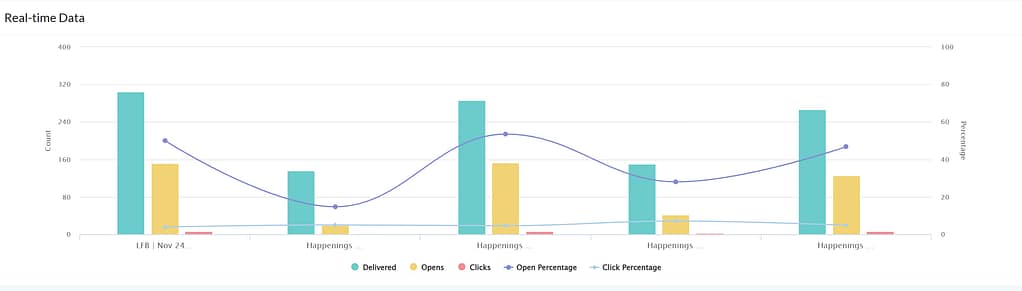
So I made the call: it’s time to get real, clean house, and say goodbye to vanity metrics. Yes, our list shrank. But here’s the Data Integrity glow-up—our open rate soared from single digits straight into the 50% zone. Now, I can proudly say: when we send something, our people show up. That’s actual value, and proof that honest, relevant numbers serve you (and your business) so much better than big empty lists ever will.
(Check out the chart below for a look at our before-and-after success. If you’re not sure how to chart your own, let’s chat!)
Are You Reaching the Right People?
So here’s the real check: even if a list has data integrity, does its audience actually match who you’re trying to reach? All the clean, up-to-date numbers in the world won’t help if your offer is landing in front of the wrong crowd.
It’s far too easy to assume, “If their list is local, it must be packed with perfect clients.” But proximity doesn’t always mean relevance, and believe us, you’re the only one looking out for your business fit. After sending out headshot sessions and business events to a supposedly local, business-focused list and receiving no response, we had to ask ourselves, “Are these really my people, or just random inboxes in the region?”
Pro Tip: Whenever you’re evaluating a paid audience promotion, take one minute to look for actual overlap. Ask for a breakdown of subscriber locations, industries, or interests. Or better yet, request a couple of sample emails (with private info redacted) to see what brands and offers show up regularly. If no one looks like your target audience—or you’re getting vague, “Oh, we’re just…business owners in general!”—that’s your red flag to walk.
Curious? Start getting bold. Don’t just count on numbers. Make sure you’re getting genuine reach—not just racking up “impressions” with zero chance of connection.
Up next: Let’s get direct with the questions you can (and should) use to cut through the fluff—plus softer ways to get the tea, if you’re feeling diplomatic.
The Real Numbers: What to Ask and Where to Look
Let’s cut through the sales fluff—here’s how you get to the truth behind any paid audience promotion. This is where your inner analyst gets to shine.
- Ask for open and click rates.
Not just “How big is the list?” but “How many actually open these emails? How many click?” Real engagement always trumps a big headcount. - Dig for recency.
“When did these subscribers last engage?” A list full of ghosts from 2018 won’t get you results in 2025. - Demand evidence of audience fit.
“Can you share anything about who these subscribers are? (Location, industry, interests?)” Don’t be afraid to get specific—your dream clients aren’t just “somewhere” on a spreadsheet. - Look for honesty about list hygiene.
“How often do you clean your list? Any recent list purges or updates?” Your best results will come from a list that’s kept fresh.
This is how BAF business owners keep control of their investment—and avoid learning the hard way. If you sense evasion, vague answers, or resistance to these basic questions… trust your gut and walk.
Next up: Let’s get into the art of asking—the exact questions and how to turn up the pressure (or keep it diplomatic) so you always get the info that matters.
Red Flags & Must-Ask Questions
1. Open and Click Rate
- Direct:
“What’s your current open and click rate on your email list?” - Softer:
“I’m curious, what kind of engagement do you typically see when you feature someone—do you track things like opens or clicks?”
2. List Cleanup
- Direct:
“When was the last time you cleaned your email list or removed inactive subscribers?” - Softer:
“How do you keep your list fresh? Do you have a routine for checking in on who’s still interested?”
3. Audience Fit
- Direct:
“How many of your subscribers are actually in my target audience or local to my area?” - Softer:
“I’d love to know more about your audience. Do a lot of your subscribers fit my ideal client profile or are they mostly spread out?”
4. Recent Campaign Stats
- Direct:
“Can you share engagement stats from a recent paid feature or campaign?” - Softer:
“Could you tell me how some recent features have performed, just so I have an idea of what to expect?”
Paid Audience Promotion and Break Up with Vanity Metrics
Let’s get real. Paid audience promotion can be a boost—or a bust. The difference? Your willingness to dig beneath shiny numbers and trust your data gut. You’ve seen behind the curtain: big lists are just that—lists—unless they’re filled with real people, the right people, who genuinely want what you’re offering.
So make a pact, right here with The Gal Project crew: break up (for good!) with vanity metrics. No more counting heads for clout or paying for promises that don’t deliver. Own your instincts. Get bold about asking for specifics, checking data integrity, and demanding the kind of honesty you give in your own business.
Remember, your connections are too valuable and your business too bad as f*ck, to waste time or money playing the numbers game. The only visibility worth paying for is the kind that gets you in front of people who see your worth—and are ready to act on it.
Are you ready to stop buying the hype and start demanding real value for your brand? Drop your “aha!” moment in the comments, tell us about a time you refused the vanity metric trap, or reach out for help decoding your next opportunity. Let’s celebrate every woman who knows her value—and backs it up with action.
The Gal Project: Bold Women, Bolder Community
The Gal Project uplifts and connects ambitious women in New Jersey (NJ) and New York (NY), spotlighting real voices and building a community where every story matters. Ready to join the movement or share your journey?
- Join our VIP list for inspiring reads, events, and community news.
- Submit your story to be featured—because your experience can spark progress for another woman.
Feeling inspired? Share it forward.
If today’s article made you think, “Wow, I needed this,” pass it on to a friend who could use a little reminder that she’s BAF too. We’re all in this together.