
November 4th, 2025, wasn’t just an election. It was a reckoning for women in politics and in the world.
Abigail Spanberger became Virginia’s first woman governor in four hundred years. Ghazala Hashmi made history as Virginia’s first Asian American woman lieutenant governor. Mary Sheffield became Detroit’s first woman mayor and first Black woman mayor. These wins mattered because they were built on decades of women being told “no.”
Over the past fifteen years, women have been running for president more than ever. Hillary Clinton in 2016. Kamala Harris in 2024. Six women on one debate stage in 2020. Each campaign pushed the door a little wider.
But let’s go back fifty years. Because what women face today makes more sense when you know where we started.
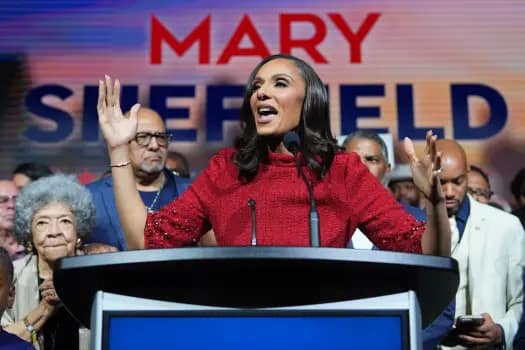
AP Photo/Paul Sancya
Women in Politics: A Reckoning and a Turning Point
Not That Long Ago
In 1970, a woman walked into a bank to get a credit card. She had a job and good credit. The banker asked, “Where’s your husband?” She said she was single. “Then bring your father to co-sign.”
That was the law until 1974. Banks could refuse women credit cards or demand a male signature—husband, father, brother, didn’t matter. Your income didn’t matter either. If you were married, the credit went in your husband’s name. If he died or you divorced, you started over with nothing. This wasn’t an exception. This was normal.
Five Ways Women Were Blocked
Money
Before 1974, women applying for credit got asked if they planned to have kids. Banks counted women’s salaries at half value. You couldn’t start a business, buy a house, or leave a bad marriage without a man’s permission on paper.
Healthcare
Until 1965, married women needed their husband’s approval to get birth control. Single women couldn’t get it legally until 1972. Before Roe v. Wade in 1973, abortion was illegal in most states. Women died from back-alley procedures because they had no other option.
Education
Yale didn’t let women in until 1969. Columbia held out until 1983. Before Title IX in 1972, colleges limited how many women they’d accept or just said no. Some required higher test scores from women. Dartmouth alumni literally hung a banner that said “Better Dead Than Coed.”
Cornell’s vet school? Two women per year through the 1960s. Virginia State rejected 21,000 women while rejecting zero men.
Being Controlled
Women needed husbands’ permission to work. Pregnant women got fired—legal until 1978. Women couldn’t adopt alone. They were kept off juries because “their place was the home.” Spousal rape wasn’t illegal everywhere until 1993.
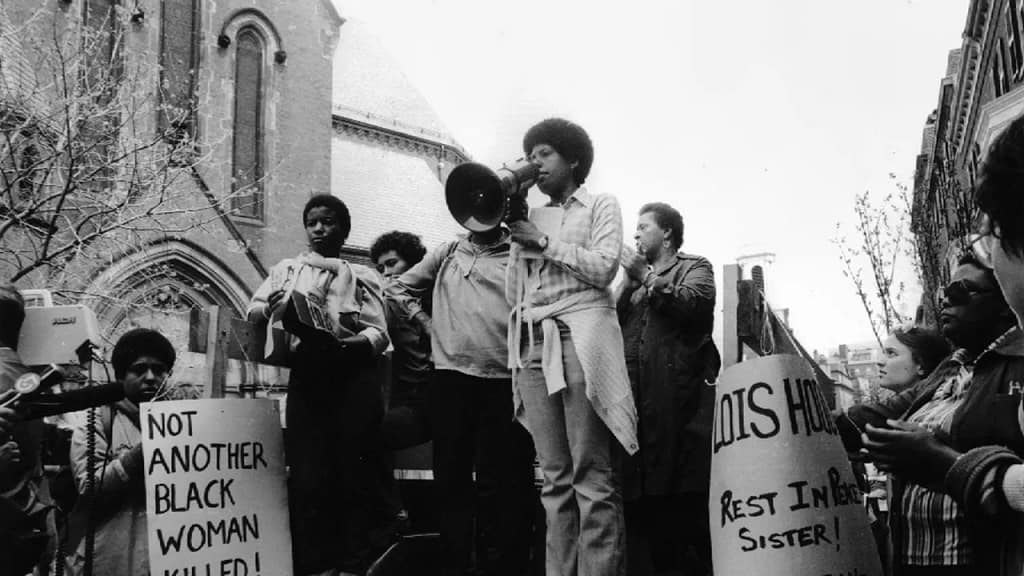
Photograph by Ellen Shub / Courtesy the Estate of Ellen Shub
Women of Color Had It Worse
While white women fought for equality, Black women faced racism and sexism at once. They got shut out of white feminist groups and sidelined in civil rights movements led by men.
In 1974, the Combahee River Collective formed because Black feminists were done being ignored. They named what they were living through—race, class, gender, and sexuality all hitting at once.
Native American women? Twenty-five percent were sterilized without real consent. Puerto Rican women? One-third sterilized by 1968. And white feminists often looked the other way or actively supported population control that targeted women of color.
Black, Indigenous, Asian American, and Latina women had to build their own movements, create their own language, fight their own battles while also fighting alongside everyone else.
What Changed?
Laws helped. The Equal Credit Opportunity Act in 1974. Title IX in 1972. The Pregnancy Discrimination Act in 1978. Roe v. Wade in 1973 (though that’s under attack again now).
But laws don’t change minds. What really changed? Women organized. Women of color led movements while white feminists were still figuring out what intersectionality meant (a term Kimberlé Crenshaw gave us in 1989, though Black women had been living and naming it for decades).
Women stopped asking permission. They ran for office, started businesses, spoke up, and built networks. They supported each other when institutions wouldn’t.
And on November 4th, 2025, we saw what that momentum looks like.
What We Learn From This
Rights aren’t permanent. What’s won can be lost. Stay awake.
We need each other. Women who made real change built coalitions. They understood that one woman’s oppression hurts all of us.
Representation isn’t enough. Getting women into power matters, but only if they use that power to tear down oppressive systems, not just succeed within them.
Intersectionality isn’t optional. Feminism that ignores racism, classism, homophobia, transphobia, ableism that’s not feminism. That’s just some women climbing over others.
The personal is political. Your credit score, your healthcare, your job, your safety, all shaped by politics. You can’t separate them.
If women who couldn’t open bank accounts or control their own bodies could push through those barriers, we can handle what’s in front of us now.
Who’s Still Left Out?
November 4th, 2025 was big. But let’s be honest, the women who won had access to education, money, and political connections. That’s not most women.
Mary Sheffield and Ghazala Hashmi broke barriers as women of color. That matters. But immigrant women, Indigenous women, trans women, disabled women, poor women, incarcerated women—they’re still fighting battles most of us don’t see.
Progress for some isn’t progress for all.
Black women have been leading justice movements forever. Pauli Murray. Audre Lorde. The Combahee River Collective. Patrisse Cullors and Alicia Garza, who co-founded Black Lives Matter. Their leadership needs to be centered, not footnoted.
The door is open. But it’s not open the same for everyone.
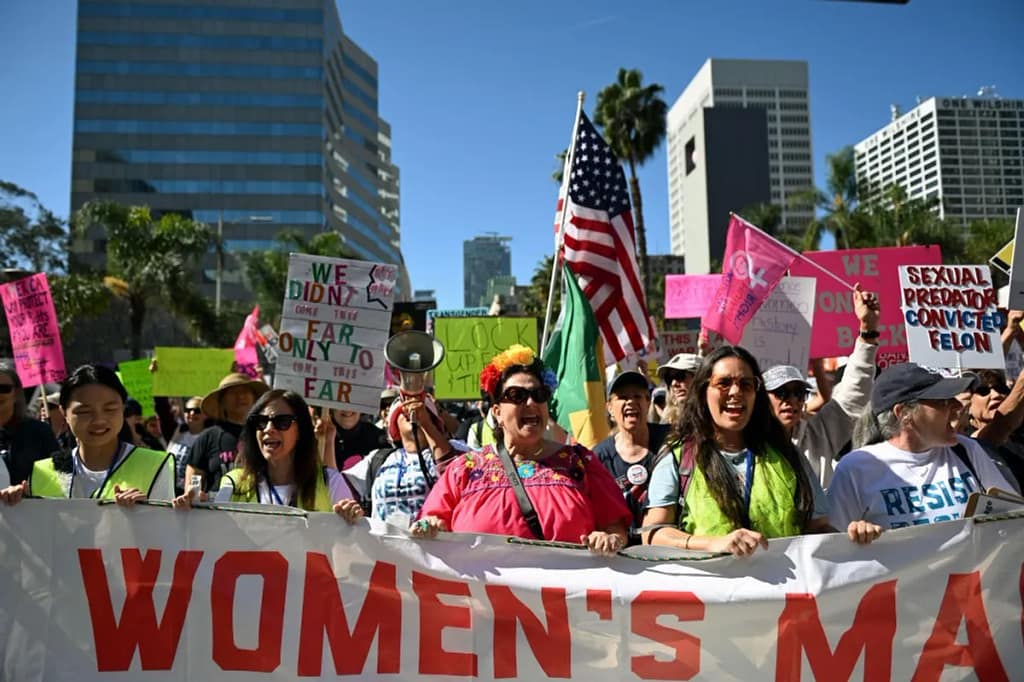
(Photo: Sarah Morris/Getty Images)
What Now?
November 4th, 2025 is a milestone. Not a finish line.
Remember. Remember when women couldn’t have credit cards. Remember laws that controlled our bodies. Remember that rights are fragile.
Act. Run for office. Organize. Protest. Vote. Speak up. Mentor younger women. Knock down barriers.
Include. Center the voices of the most marginalized women. Reject any feminism that doesn’t fight all forms of oppression.
Persist. Because that’s what women do. We persist through discrimination, violence, and systems built to break us. We persist because our daughters deserve better.
November 4th, 2025 wasn’t just an election. It was a reckoning. A moment when generations of work became visible.
But reckonings aren’t endings. They’re turning points. They prompt the question, “What will you do with this?””
The answer is ours. The work continues. The fight goes on.
Your move: Share your story. Support other women. Vote. Organize. Speak up. Our foremothers couldn’t open credit cards, but they opened doors. Now we keep those doors open and build new ones.
The future isn’t handed to us. We make it. Together.
The Gal Project: Bold Women, Bolder Community
The Gal Project uplifts and connects ambitious women in New Jersey (NJ) and New York (NY), spotlighting real voices and building a community where every story matters. Ready to join the movement or share your journey?
- Join our VIP list for inspiring reads, events, and community news.
- Submit your story to be featured—because your experience can spark progress for another woman.
Feeling inspired? Share it forward.
If today’s article made you think, “Wow, I needed this,” pass it on to a friend who could use a little reminder that she’s BAF too.