

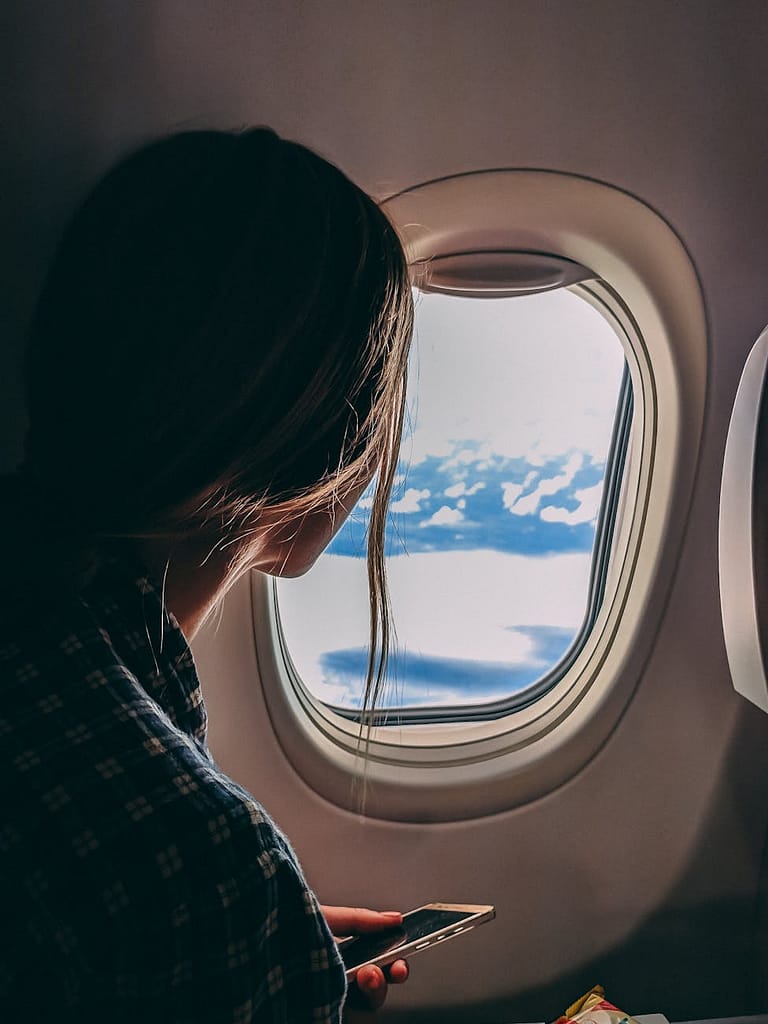
Ever heard of traveler’s fatigue, man, did it take me by surprise! If you’ve been keeping up with my adventures, you know that I thrive when I’m plunging into new cultures and flavors, from the energetic markets of Dubai to the peaceful vistas of Sri Lanka. However, the real whirlwind experience came when I stepped into Taipei. Alongside my husband, I set off on a month-long exploration of the Far East, eager to immerse myself in the lively bustle of Taipei. I was convinced I could handle it all, but I soon encountered the true meaning of disorientation in the Orient.
The Challenge of Time: Losing Hours to Gain Experiences
Travel is as much about the journey as it is about the destination. Our trip from the to Taiwan involved two long flights and a12-hour time difference. The jet lag was like nothing I had ever experienced! My initial days were a blur; it took a full 48 hours before I could even start to feel like myself again. Every conversation, every thought, became a mental math session, recalculating time zones, trying to synchronize with a world so utterly flipped from what I was used to.
The Lingering Fog.
I experienced jet lag as a fleeting inconvenience that quickly faded after a day, much like having a bad night, I usually can reset myself by next. But now, as I near the end of my third week in Taipei, I realize that this guest is lingering far longer than expected. Even as I’ve tried to establish some semblance of routine, a stubborn haze hangs over my mind. Simple daily tasks, such as writing or scanning through emails, feel like strenuous treks up a steep incline. More quirky yet, my speech tangles itself up—I frequently confuse ‘left’ for ‘right’ and catch myself in little slips of the tongue more often than I’d care to admit.
This brain fog not only muddles my thoughts but adds a twist of humor to my day-to-day interactions here in the vibrant streets of Taipei.
Is It Just Me? Understanding traveler’s fatigue
Is this lingering sense of disorientation and fatique something many travelers experience?
Yes, what I’m facing is a well-known condition often referred to as “traveler’s fatigue,” which goes beyond the common short-term jet lag.
Studies on traveler’s fatigue reveal that it’s triggered by more than just jet lag from crisscrossing time zones. It’s a comprehensive adjustment affecting multiple physiological and psychological aspects. Our bodies depend heavily on daylight to regulate functions like sleep patterns, hormone release, and mood. Being plunged into an environment with mismatched daylight hours to your internal clock can lead to prolonged disorientation and fatigue. This explains why the effects of traveler’s fatigue—like memory lapses, mood swings, and mental fog—are more intricate and persistent than the fleeting weariness of typical jet lag.
The impact of traveler’s fatique hit me hard in Taipei. Immersing myself in its dynamic street food culture was thrilling yet challenging, as I struggled to adapt to unfamiliar dining customs and tastes. But the cultural adjustments extended beyond food; bathroom facilities for women can differ greatly in different countries and Taipei was no differnt. This added yet another layer to my daily challenges.
These hurdles—while ultimately enriching—intensified the sense of disorientation I experienced in this bustling city. It all became too overwhelming, leading me to spend a day isolated in our apartment, a reminder that even the most experienced travelers can feel unsteady.
So, if you’re feeling out of sorts long after your plane has landed, you’re not alone. This type of disorientation is a well-documented and researched phenomenon, affecting countless global travelers who venture far from their home time zones. The good news? It’s manageable with the right strategies, and awareness is the first step toward adjustment.
Should I Just Stop Working with traveler’s fatigue?
At this stage, I was contemplating on whether to simply yield to the dull state of mind and pause any expectation of getting meaningful work done. But I read that while it’s appealing to fully surrender to the whims of my topsy-turvy brain, the best strategy, as endorsed by experts, is to uphold a semblance of my usual routine.
I lowered my performance expectations greatly—understanding that my productivity might not hit its usual peaks. I prioritized my tasks, focusing on completing what’s most essential while allowing some flexibility for deadlines. At one point I couldn’t approve social media posts because I didn’t have enough bandwith, so the feed went dry. It was okay that I wasn’t okay—disorientation in the orient was my thing. I also pushed through some days when I wanted to take a nap, but on most integrated a short, strategic power nap that was a good reset to my cognitive functions, refreshing my mind.
Most importantly, I embraced this as a unique part of my travel experience. Remember, adapting isn’t just about managing challenges—it’s also about accepting and appreciating them as integral facets of the adventure, without my disorientation in the Orient, this article wouldn’t exist.
Finding Your Feet When the World Turns Upside Down
Ultimately, every trip has its challenges, but it’s these very challenges that turn into enriching experiences. Taipei has tested me in ways I hadn’t anticipated, but also offered moments of profound beauty and learning. It’s these ups and downs that make travel such a compelling chapter in our lives.
FAQs:
- What are some tips for managing severe jet lag?
- Try to adapt to the new time zone as soon as you board the plane, use light exposure to regulate your body clock, and stay hydrated.
- Can diet affect how you handle time zone changes?
- Yes, timing meals according to your new time zone can help reset your internal clock faster.
- Are there any apps that can help with time zone management?
- Several apps are designed to help travelers adjust to new time zones, such as Jet Lag Rooster.
- How long does it usually take to fully adapt to a new time zone?
- It generally takes about one day per hour of time difference.
- Is it better to travel eastward or westward to minimize jet lag?
- Traveling westward is typically easier on your circadian rhythm than eastward.